Mastering the Four Core Putting Skills for Competitive Success


When players transition from strong junior golfers to aspiring college athletes, one truth becomes clearer with every round: your game is only as good as your putting. At the low single-digit handicap level, ball striking usually isn’t the limiting factor anymore. What separates good players from great ones—and eventually determines who thrives in Player Development and College Golf—is often decided on the greens.
Tour statistics back this up. On the PGA Tour, strokes gained putting regularly accounts for decisive margins in winning tournaments. From inside ten feet, the difference between an elite putter and an average one is often just a few percentage points—yet over 72 holes, those small margins add up. For players on the path to college golf, understanding and developing putting fundamentals isn’t optional; it’s essential.
1. Can You Start the Ball Where You Want?
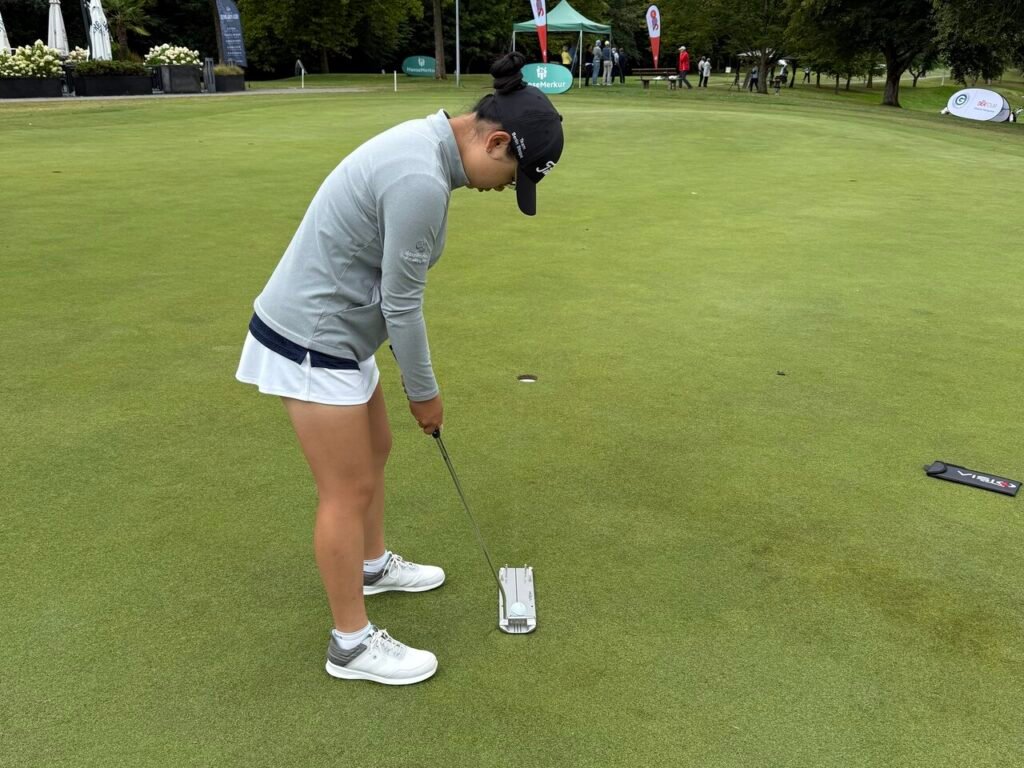
No matter how well you read a putt, it won’t matter if the ball doesn’t leave the putter face on the line you intended. At the higher levels of the game, precision in start direction is non-negotiable. A face angle error of just one degree can cause a miss from ten feet.
Why it matters: College golfers often compete on faster, trickier greens where tolerances are tighter. Training to consistently start the ball on line lays the foundation for trust under pressure.
2. Speed: Your Best Friend or Worst Enemy
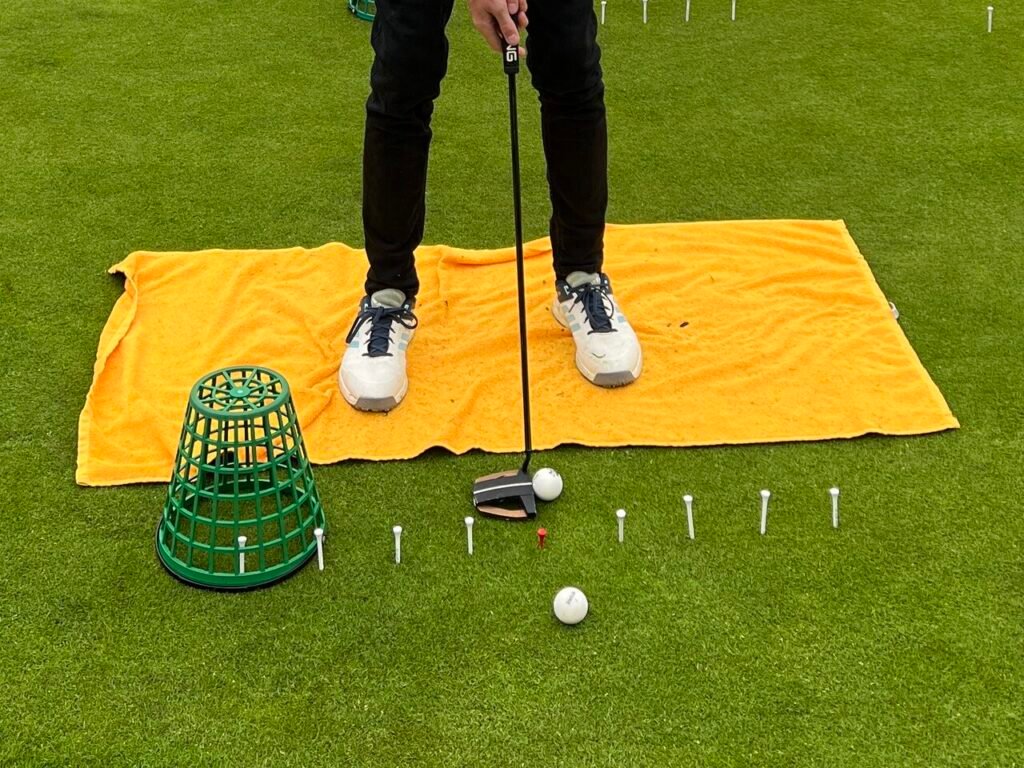
Speed is the partner to line. Without controlling pace, even a perfectly read putt will miss. More importantly, speed management is what determines your leave: tap-in pars or stressful three-footers.
Why it matters: In college golf, every stroke counts toward the team score. Reducing three-putts through disciplined speed control is one of the fastest ways to lower scoring averages.
As Ben Crenshaw, often called one of the greatest putters ever, once said: “Putting is about touch more than mechanics.”Developing that touch is a skill that grows with intentional practice.
3. Seeing the Break: Why Guessing Isn’t Good Enough
Great putters don’t just roll the ball well—they see the greens differently. Reading slope, grain, and subtle breaks separates those who hope for makes from those who expect them.
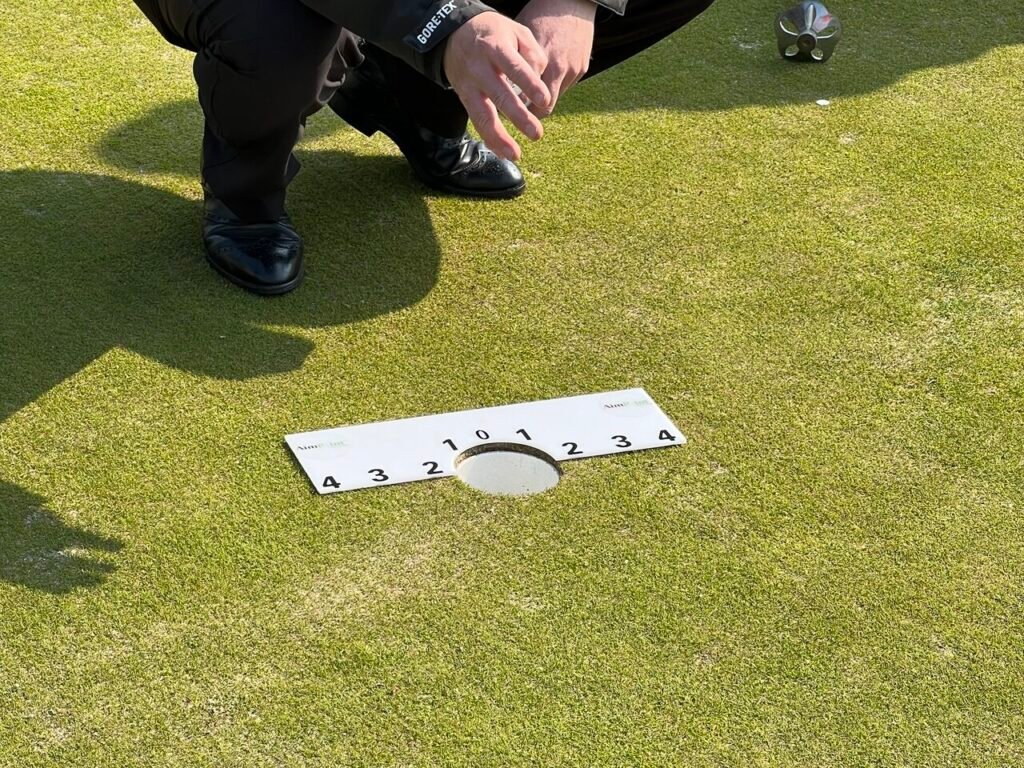
AimPoint has emerged as the state-of-the-art system for green reading. By using a combination of feel (through your feet) and calibrated percentages, AimPoint provides a structured, repeatable method for determining break. Many of today’s elite college players and tour professionals rely on it because it reduces guesswork and builds confidence under pressure.
Why it matters: At the college level, players face a wide variety of courses. Being able to adapt quickly to new greens and trust your reads means saving strokes immediately. Players who master AimPoint—or at least the principles behind it—gain a decisive advantage in competition.
4. Adapt or Struggle: Thriving on Different Greens
Even if you have good technique at your home course, success in tournaments depends on adaptability. College golf schedules often feature courses with dramatically different green speeds. One week you’re on lightning-fast Bermuda; the next, slow bentgrass.
Why it matters: Players who adapt fastest to new conditions earn a competitive edge. Coaches notice players who can “travel well”—it’s a hallmark of maturity in player development.

Why These Skills Grow in Importance Over Time
Early in a golfer’s journey, distance off the tee or solid ball striking can mask weaknesses on the green. But as handicaps drop, the margins tighten. A missed five-footer isn’t just another bogey—it might cost a tournament or even influence a coach’s recruiting decision.
That’s why developing these four putting fundamentals is central to Player Development on the path to College Golf. They represent transferable skills that travel across courses, conditions, and pressure situations.

What Comes Next
This series will dive deeper into each skill, providing drills, practice frameworks, and insights from elite players and coaches. The goal: to help ambitious low single-digit players not only improve their putting but also prepare for the demands of college competition.
Stay tuned for the next article, where we’ll take a closer look at starting the ball on your intended line—and how you can train this skill to tournament-ready levels.