My Journey to College Golf – The Freshman Experience


By Keira Wolf – My honest perspective on freshman year college golf

Hi, my name is Keira Wolf, and this is the story of how I made my way from being a little girl with a golf club that was almost taller than me, to becoming a college golfer at the University of West Georgia.
If you’re a teenage girl dreaming about playing golf in college, or a parent wondering what this journey might look like, I hope my experiences will give you a real and honest picture.
Because here’s the truth: college golf is amazing, but it’s not a fairy tale. It’s rewarding, inspiring, and full of opportunities—but it’s also challenging, exhausting, and sometimes overwhelming. Still, if I could go back, I’d choose this path again in a heartbeat.
Where It All Started

I was five years old when I first picked up a golf club. At that time, golf was just a game, something fun to do with my family. I never thought it would shape my entire life. But when I was 12, I started competing in tournaments and slowly shifted into performance golf. That’s when the sport began to define more and more of my daily routine.
At 14, I first heard about the possibility of playing college golf in the U.S. The idea sounded both thrilling and intimidating. Could I really imagine leaving my home, my family, and my friends behind for a new life on another continent? At that time, I wasn’t sure. But a tiny spark was lit inside me.
The Road to College Golf – Recruiting

By the time I turned 16, that spark had become a dream. I wanted to play college golf. That’s when I began the recruiting process. For me, working with an agency was a huge help. They gave me a timeline, guidelines, and helped me organize the overwhelming amount of steps involved.
I quickly learned that playing tournaments was far more important than just having a low handicap. Coaches want to see how you perform under different conditions—different climates, grass types, and against strong competition. Traveling for international tournaments, even in the U.S. if possible, was a big step in showing I was ready for more.
But recruiting is not just about scores. Coaches also want to know who you are as a player: your strengths, your weaknesses, and how well you understand your own game. I had to learn to talk honestly about myself—not just what I was good at, but also what I still needed to improve.
The process was exciting, but also stressful. I still remember how nervous I was before my very first call with a coach. I wanted so badly to make a good impression and hoped the coach would like me. Looking back, my biggest piece of advice is simple: be authentic. Don’t try to be someone you’re not. Share your story honestly, talk about your strengths in a positive way, but always stay humble.
And of course, there were the practical challenges: SAT exams, endless paperwork, and the whole visa process. Keeping a big to-do list and organizing every document carefully really helped me stay on track and not get lost in the chaos.
Taking a Gap Year – A Different Choice

When I was about a year away from starting college, I made a decision that many found unusual: I chose to take a gap year.
I wanted one year fully dedicated to training before jumping into college life. That year gave me space to focus on my game, prepare for the physical demands of college athletics, and continue the recruiting process without rushing. I also used the time to work on my visa and other paperwork—trust me, that part takes longer than you think!
I even took the SAT earlier than most of my classmates. It wasn’t easy, because I hadn’t learned all the topics in school yet. Looking back, I would recommend not waiting until the very last moment, but also making sure you’re academically ready.
It wasn’t the “standard” path, but for me, it was exactly what I needed.
“That extra year taught me that sometimes detours are exactly what make you stronger.”
Visiting Colleges – Seeing for Myself
One of the most important steps in my decision-making was visiting different universities in person. Photos and websites can only tell you so much. When you walk across campus, meet a coach face-to-face, and maybe even talk to future teammates, you get a completely different sense of whether you can imagine spending four years of your life there.
I know not everyone can afford to travel, but if you have the chance, I highly recommend it. For me, it made all the difference.
And then came the moment I’ll never forget: in November 2023, after years of preparation, I finally signed my commitment to the University of West Georgia.
Nine months later, in August 2024, I packed my bags, hugged my family and friends goodbye, and started my new life as a freshman in Carrollton, Georgia.
The Freshman Year Reality Check
If I’m honest, freshman year was both the most exciting and the hardest year of my life so far.
Movies and social media often romanticize what it means to be a student-athlete: the cool gear, the travel, the team spirit. And yes, those parts are real—but they don’t show the exhaustion, the homesickness, or the pressure that comes with it.
The first complete new experience I‘ve made was the training schedule. In college, you don’t just practice golf. You also do intense fitness training, often in conditions that are very different from home. There’s no “I’ll skip practice today because I have a test tomorrow.” You learn to make everything fit: golf, workouts, classes, assignments, and recovery.
There were days I came back to the dorm late after practice and therefore tired and exhausted, and yet I still had assignments waiting. There were times when missing my family and friends was intense. Constantly being out of the comfort zone of my home for sure was challenging and overwhelming.
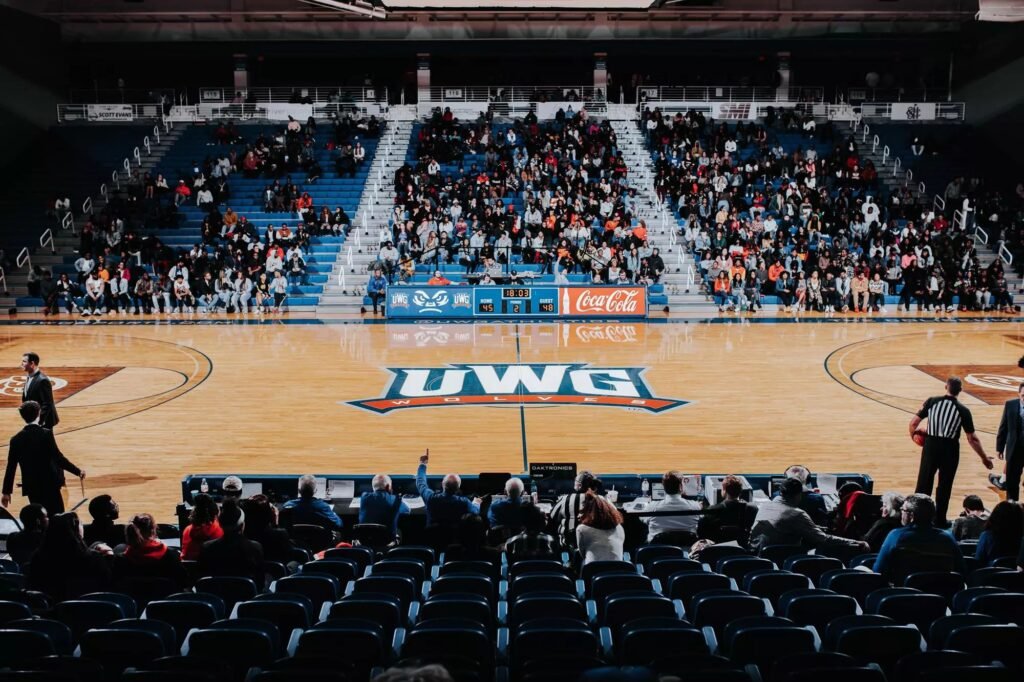
But then there were also the highs: winning qualifying rounds, traveling with my team, wearing the UWG logo on my chest, walking across campus with my teammates after a long day and knowing we were all in this together.
Balancing College Life
One of the hardest lessons I had to learn was balance. My friends or teammates sometimes wanted to go out late, but I knew my alarm would go off at 5:30 a.m. for practice. It doesn’t mean you can’t have fun—but you have to learn when to say no.
At the same time, I realized how important it is to say “yes” to opportunities outside golf. Talking to professors, joining campus events, and meeting new people opened so many doors I never expected. College is not only about improving your swing—it’s about growing as a person.

Competing for the Team
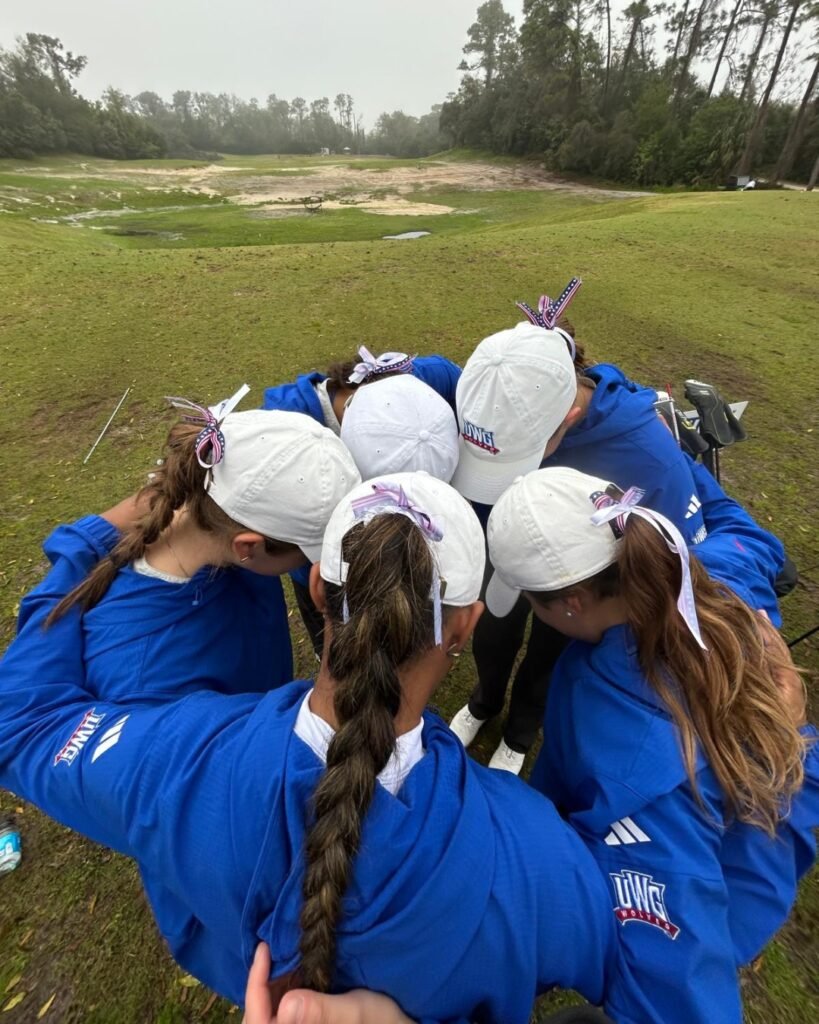
Another big difference between Germany and the U.S. is the team dynamic. In Germany, I was used to competing for my club, where the atmosphere was friendly but not overly competitive within the team. At college, the competition inside the team is intense. We all fight for one of only a few spots to represent the university in tournaments.
But here’s the beautiful part: when you’re at a tournament, the same teammates who compete against you every week are suddenly your biggest supporters. You cheer for each other because you’re not just representing yourselves—you’re representing the University of West Georgia, its students, and all of its sports teams.
That adds pressure, of course. But it also gives you an incredible sense of pride and belonging.
“When you step onto the course, you’re not only representing yourself—you’re representing an entire university. That’s pressure, but it’s also an incredible honor.”
A Message to Parents

Dear parents, I want to speak directly to you here, because I know this journey is just as much yours as it is your child’s.
Sending your daughter across the ocean to play college golf is not a small thing. It means missing birthdays, holidays, everyday conversations at the dinner table. It means not being there to hug her when she has a bad round or when she’s sick in her dorm. And it means trusting that she will figure things out without you standing right beside her.
My parents supported me every step of the way on my journey to college. Still, saying that final goodbye at the airport was not easy for any of us. The truth is, before you actually arrive on campus and start living the life of a student-athlete, neither you nor your parents can really know how the journey will unfold. There are so many unanswered questions at the beginning, but over time we, as student-athletes, learn to face challenges and grow in ways we never imagined.
Of course, there were challenging days when I needed to hear a familiar voice from home. Sometimes I felt lonely or questioned if I had made the right choice. But looking back, those moments were the ones that taught me the most. In those situations, the role of parents is not to solve everything—it’s to listen, to encourage, and to remind their child why she began this journey in the first place.
Your daughter will grow in ways you can’t even imagine. She will learn resilience, independence, discipline, and confidence. She will learn how to handle pressure, how to pick herself up after setbacks, and how to stay focused on her goals. And those lessons will stay with her long after college is over.
So if you’re hesitating: know that letting go is the hardest, but also the greatest gift you can give. You’re not losing your daughter—you’re giving her the chance to discover who she can truly become.
Looking Back – Why It’s All Worth It

When I look back on my first year at the University of West Georgia, I see long nights, sore muscles, and moments of doubt. But I also see friendships that will last a lifetime, opportunities I could never have imagined, and a version of myself that is stronger, braver, and more independent than ever before.
College golf is more than just a sport—it’s a life school. You learn how to handle pressure, how to manage your time, and how to stay true to your goals even when it’s tough. That’s why athletes are often valued later in the professional world: because we’ve already learned how to deal with challenges, setbacks, and high expectations.
So to every young girl out there dreaming about college golf: go for it. And to every parent wondering if it’s the right step: trust that the struggles along the way are what make the journey so powerful.
Because in the end, every early morning, every challenge, every tough day—it’s all worth it.